

What is a car ventilation?
The car ventilation system is one of the most important components of the car, which has the task of supplying and purifying the air required by the car engine for the combustion of the fuel and air mixture. In other words, it can be said that the air required for the combustion chamber is supplied by the car's air vent, which itself has different components.
Components of the car vent system
Car ventilation fan air manifold air filter gas valve Intermediate pipe
In general, the car air conditioner means the same air filter that has the task of purifying the air, and other factors such as fan, intermediate pipe, etc. will also play a role in air supply and transfer.
Types of car ventilation
Car oil fan Car air conditioner Wet car air conditioner
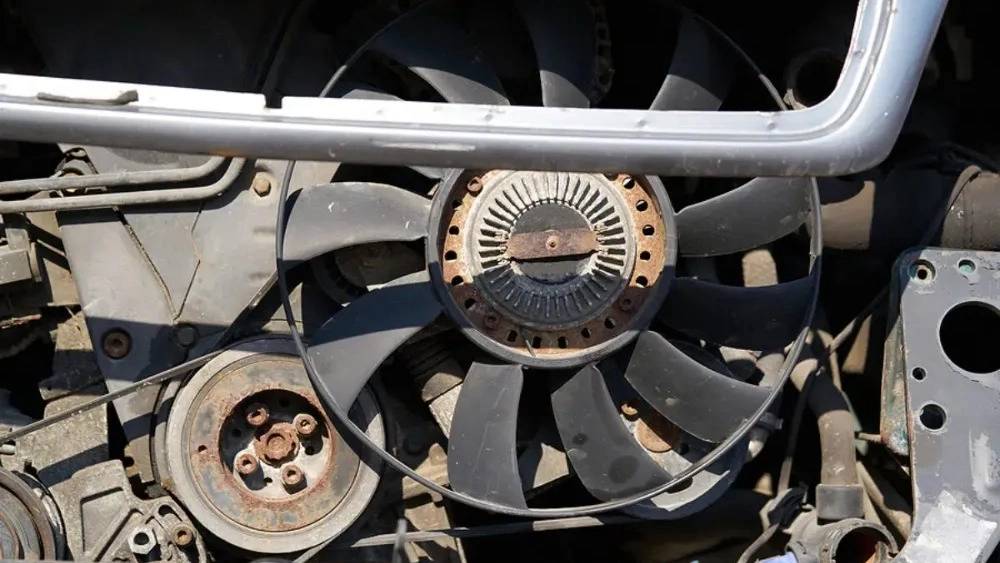
Symptoms
Engine Overheating: If your engine is overheating, your car's fan may be faulty. Abnormal noise: If your car's air conditioner makes an unusual noise, it may be faulty. Engine Stopping: If your engine is not running, your car's air conditioner may be faulty. If you notice any of these symptoms, you should check your car's air conditioner. If your car's air conditioner is damaged, you need to repair or replace it.
Maintenance of Vehicle Vehicle
To properly maintain the car air conditioner, you should do the following: 1. Check the car air conditioner regularly to avoid any damage or defects. 2. If the car air conditioner breaks down, repair or replace it immediately. 3. Ensure the proper lubrication of the car air conditioner. By properly maintaining the car's air conditioner, you can protect your car's engine and prevent its damage.
Motor ventilation Features:
Made of construction:
Most engine vents are made of durable materials such as engineering plastic or aluminum. These species must have sufficient resistance to different environmental conditions.
Size and design:
The size and design of the ventilator must be accurate to transfer the necessary volume of air to the engine. The optimal design of this part helps to improve the performance and increase the efficiency of the engine.
Adjustability:
Some ventilators have adjustable systems that allow the user to adjust the airflow. This feature allows the user to change the settings according to different environmental conditions.
The engine breather is one of the vital components in the fuel combustion system of the car, which helps to transfer air to the engine and, as a result, to improve the performance and increase the efficiency of the engine. According to the features and different types of air conditioners, the proper selection and careful maintenance of this part can help to optimize the performance of the car.
Types of Vehicle Vehicle:
Car air vents can be diverse based on the type of construction and made of different materials. In the following, I will introduce the types of ventilators based on their construction material:
Engineering plastic ventilation:
Most ventilators are made of engineering plastic. These types of plastics are usually resistant to various environmental conditions and are popular due to their light weight and resistance to impact failure.
Metal ventilation:
Some ventilators are made of metals such as aluminum. Light metals such as aluminum increase heat transfer and reduce weight compared to plastic.
Steel Fans:
Some ventilators are made of steel. As a resistant and hard material, steel can be more resistant to harsh environmental conditions and mechanical shocks.
Carbon fiber ventilation:
Carbon fiber air vents are usually used in sports and luxury cars because of their features, including lightness and high strength.
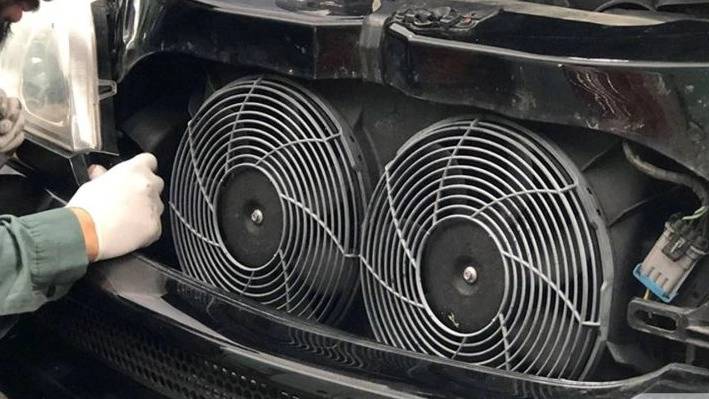
Fiberglass ventilation:
Resin ventilation:
Resins are also used to make ventilators. This species was chosen due to its flexibility and resistance to environmental factors.
Considering that each of these types and construction materials come with their own characteristics, it is very important to choose the right air conditioner based on the needs and conditions of the car. Also, it is important to pay attention to points such as weight, heat resistance, and resistance to environmental conditions in choosing a ventilator.